Hulaki Rajmarga — Dang
Ongoing procurement for a Government of Nepal postal highway package in Dang, delivered through a joint venture — road materials sourced to public-works specification under public-sector payment cycles.
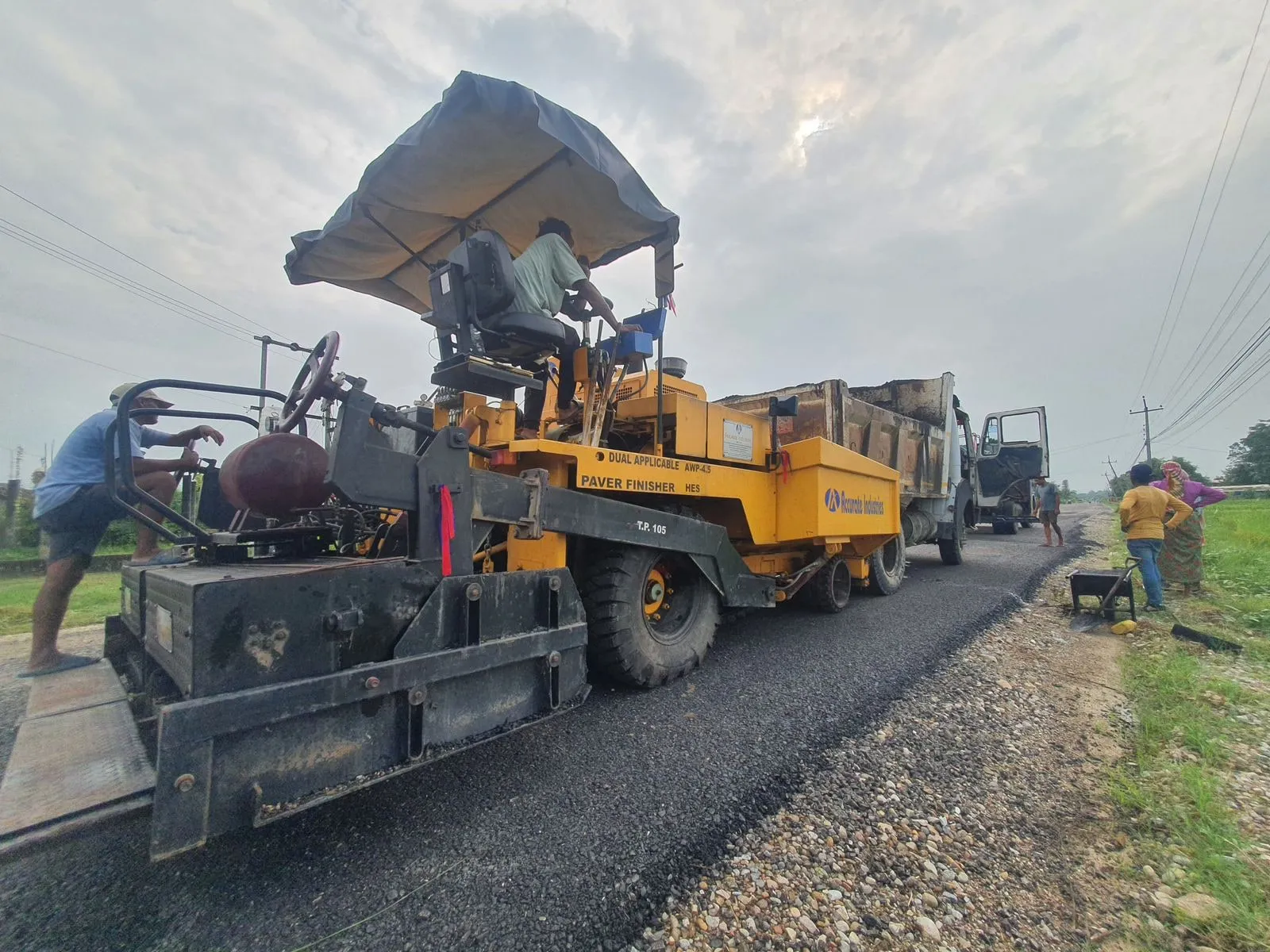
The brief
Source road construction materials to public-works specification at the best achievable price, keeping a linear highway package continuously supplied.
The challenge
Credit management under public-sector payment cycles, coordinated across two joint-venture partners rather than a single contractor balance sheet.
My solution
Security cheques to underwrite supplier credit, with weekly stock reporting giving both JV partners the same view of committed spend and material on the ground.
The result
The package is supplied and progressing, with continuity of supply maintained across a moving linear worksite.
The Hulaki Rajmarga is the Government of Nepal’s postal highway programme. I run procurement for the Dang package, delivered by the Bajra Guru — Kancharraam Joint Venture. The work is ongoing.
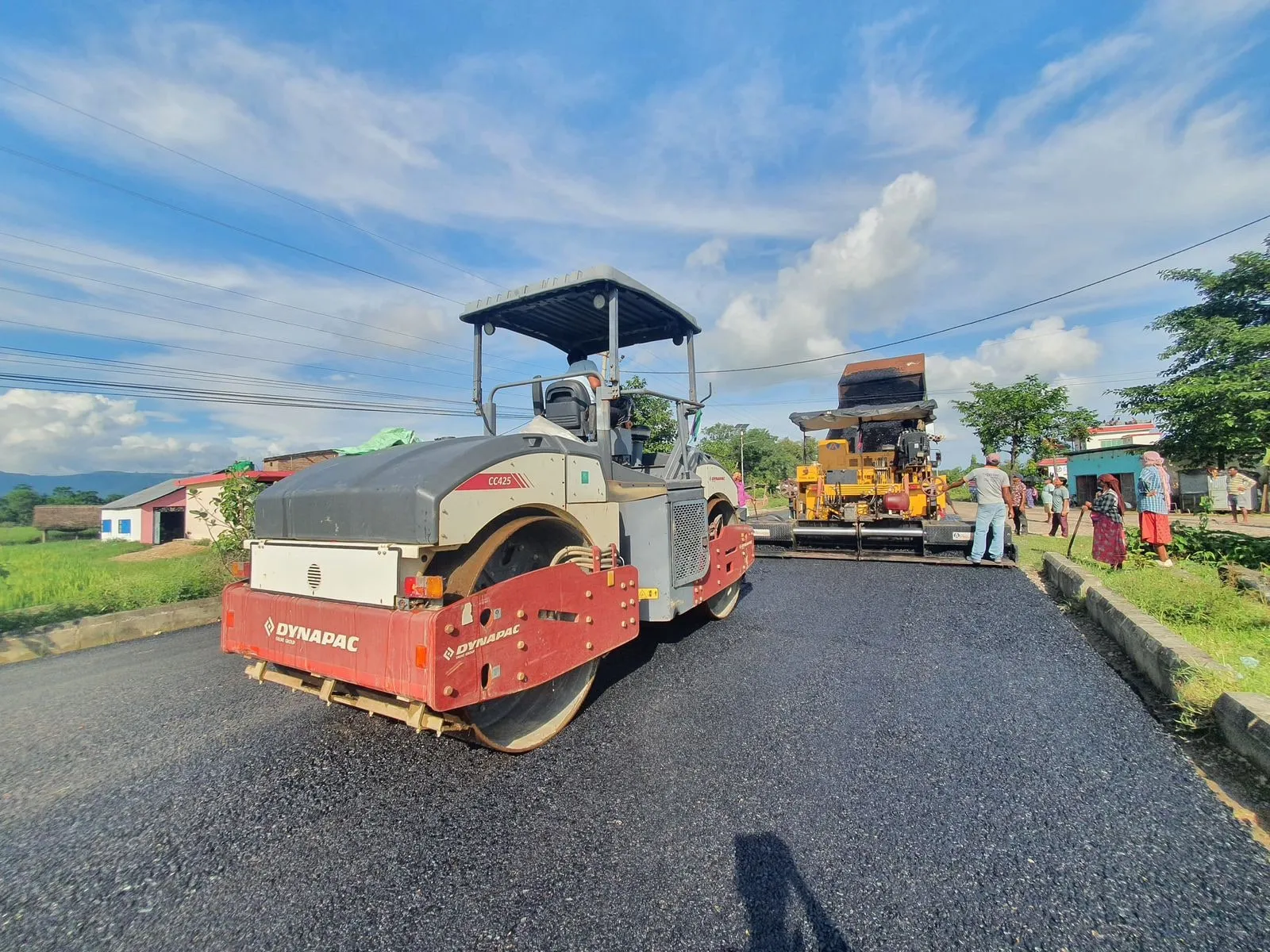
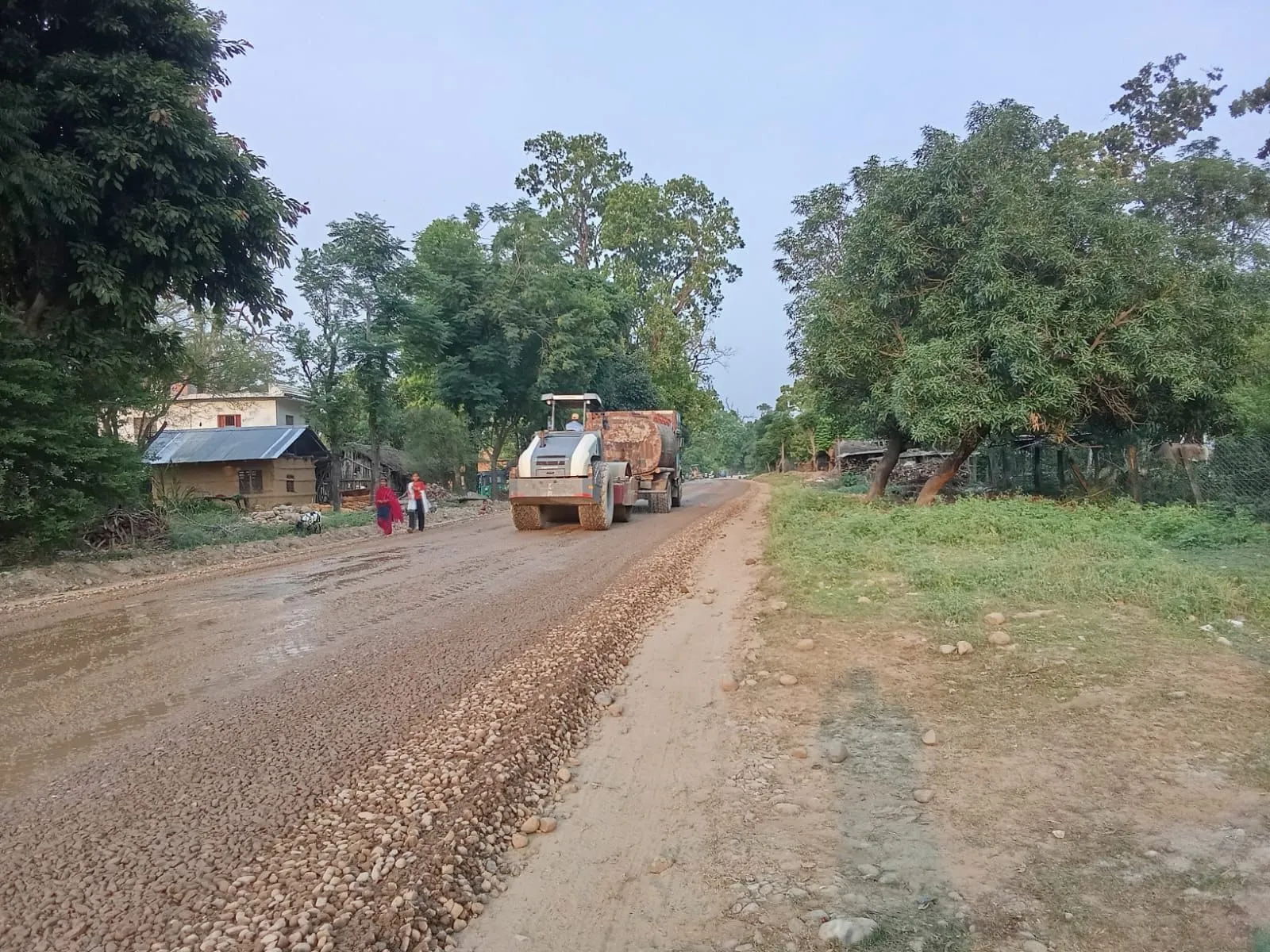
Highway procurement behaves differently from a fixed-site build. A road is a moving worksite: the point of delivery shifts as the works advance, so supply has to be planned against where the crews will be rather than where they are. Volumes are large and repetitive, which means small differences in rate compound into real money across the package.
The brief
Public works carry a fixed specification and are audited against it. There is no version of this job where a material that does not meet spec is the cheaper option. So the brief was the familiar one — quality first, then the best rate available on it — with the additional discipline that every purchase has to stand up to public-sector scrutiny after the fact.
The challenge
Two things make this package harder than a private contract.
The first is the payment cycle. Public-sector projects settle on their own schedule, and that schedule is not the one suppliers set their terms by. The gap between paying for materials and being paid for the works has to be carried somewhere, and procurement is where it lands.
The second is the joint-venture structure. Two partner companies, one programme. Commitments made on behalf of the JV have to be legible to both sides — a purchasing decision that makes sense to one partner and is invisible to the other is a problem waiting to surface.
What I did
The credit approach carried over from Super Dordi: security cheques underwriting supplier credit, giving vendors a documented guarantee rather than asking them to absorb the timing risk on trust. On a public-sector cycle that instrument is what makes the terms available at all.
For the JV, weekly stock and consumption reporting does the coordinating work. Both partners see the same numbers — what has been committed, what has been delivered, what is on the ground and what it is being drawn against. Shared visibility is what keeps a joint venture’s procurement from becoming two separate procurement functions competing for the same suppliers.
Where it stands
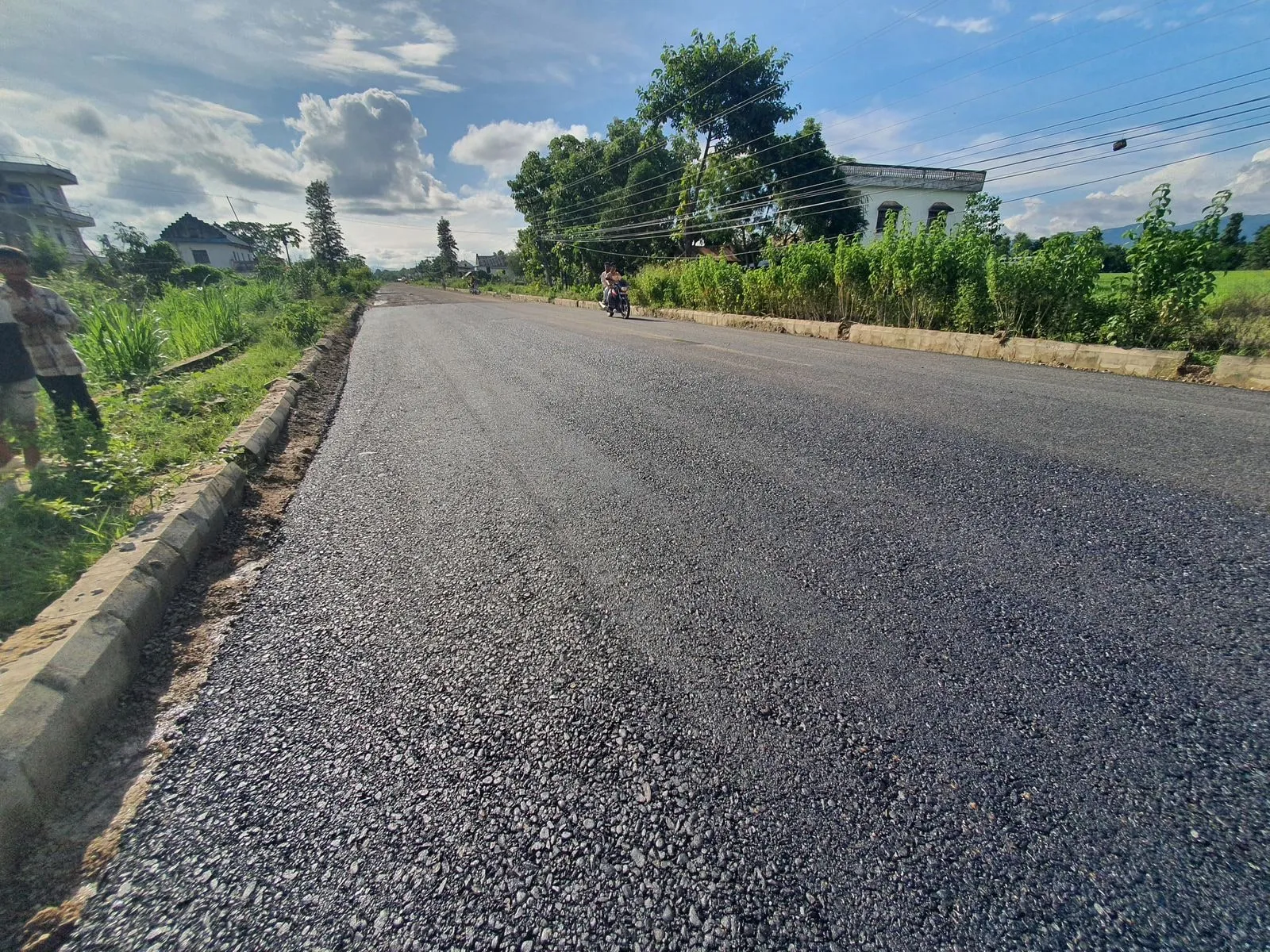
The package is supplied and progressing. Continuity of supply has held across the advancing works, and the reporting cadence has kept both JV partners working from a single view of committed spend.
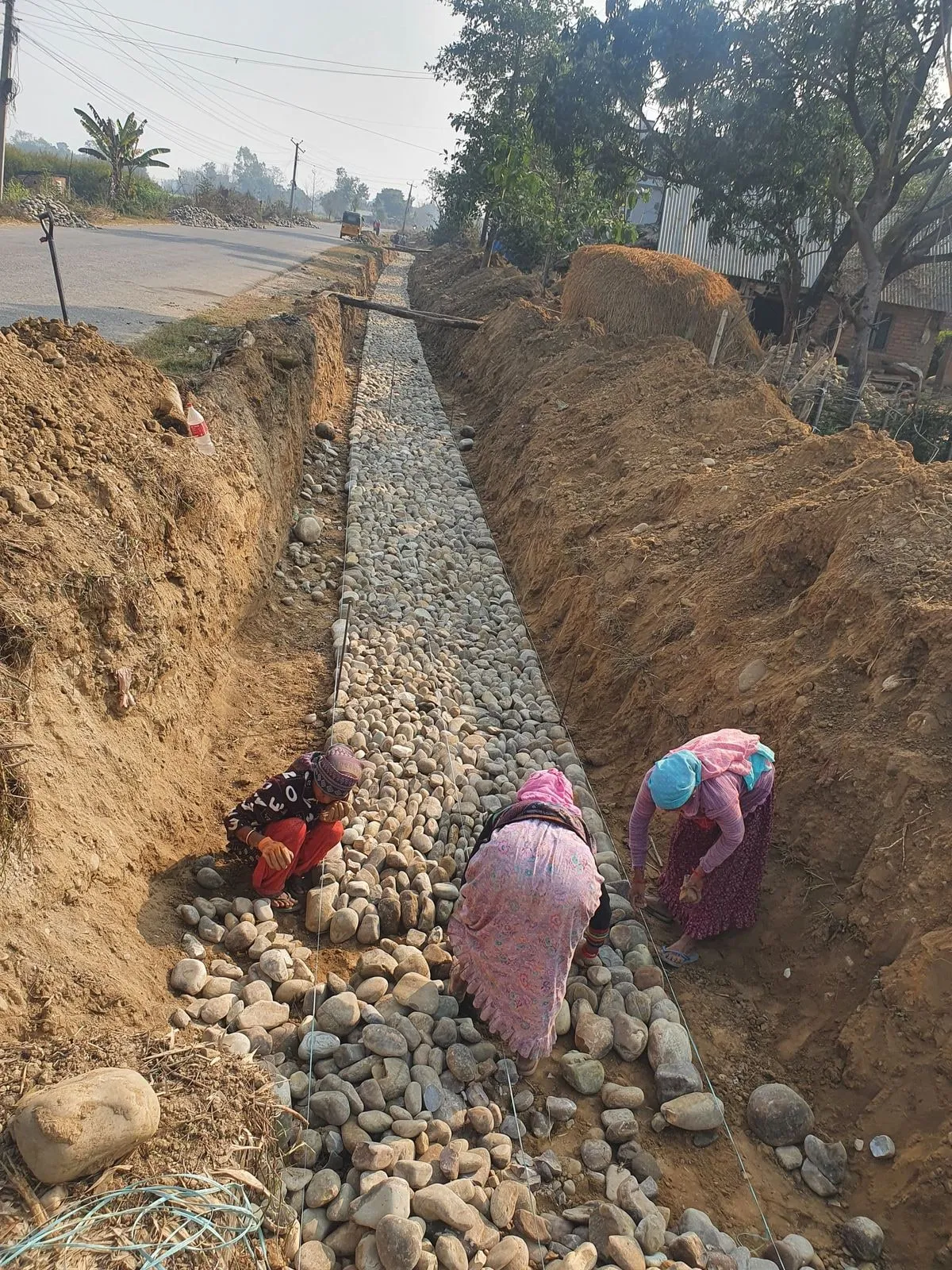
Project photography
Hiring, or need procurement handled?
Tell me about the project or the role and I will come back to you with how I would approach it.